When you start looking into getting a cleaner, one of the first questions you’ll probably ask is, "How much is this going to cost?" In the UK, the typical house cleaning cost per hour usually lands somewhere between £12 and £20. But that’s a pretty wide range, and the final figure on your bill can swing quite a bit depending on where you live.
Understanding UK House Cleaning Rates
Before you can work out a budget for keeping your home sparkling, it helps to get a feel for the cleaning price landscape across the country. The hourly rate isn’t a fixed number; it’s more of a spectrum. Think of it like the price of a pint of milk or a flat rental – it’s just not the same in a bustling city centre as it is in a quiet village.
This difference really comes down to the local cost of living. For cleaners in London, for example, rates often sit between £14 and £20 per hour to reflect the city’s higher expenses and demand. Step outside the capital, and you might see prices in other major cities hover around the £12 to £16 mark. Meanwhile, in more rural spots, the cost can be a bit lower, often closer to £12 to £15 per hour. For a more detailed breakdown of these regional variations, wecasa.co.uk offers some great insights.
A Snapshot of Regional Costs
To put all this into perspective, here’s a quick comparison of what you can generally expect to pay for standard cleaning services in different parts of the UK.
Average Hourly Cleaning Rates Across the UK
This table gives you a ballpark idea of the low and high end of typical hourly cleaning costs.
| Region | Average Hourly Rate (Low End) | Average Hourly Rate (High End) |
|---|---|---|
| London | £14 | £20 |
| Major Cities (Manchester, Birmingham) | £12 | £16 |
| Oxfordshire | £13 | £18 |
| Rest of UK / Rural Areas | £12 | £15 |
As you can see, where you live plays a huge role in the prices you'll be quoted.
Key Takeaway: Your postcode is one of the biggest factors influencing the house cleaning cost per hour. To get an accurate budget, always start by looking at the going rates in your specific town or city.
Getting a handle on these local benchmarks is the perfect first step. It gives you a realistic starting point before we dive into the other details—like the size of your home and the type of cleaning you need—that will shape your final quote.
What Really Drives Your Cleaner's Hourly Rate
Ever got a cleaning quote and wondered why it’s miles apart from what your mate in the next town pays? The final house cleaning cost per hour isn't a number plucked from thin air. It’s a bit like a recipe, with several key ingredients mixing together to create the final figure.
Think of it this way: the base ingredients are the cleaner's time and effort. But just like adding different spices changes a dish, things like the size of your home or the specific jobs you need doing will alter the final price. Knowing what these variables are helps you see exactly what you're paying for.
Your Location Matters Most
The single biggest factor shaping your cleaner's hourly rate is, without a doubt, your postcode. A cleaner working in a bustling city centre like Oxford has to juggle different costs—like higher transport expenses and dealing with more demand—than someone based in a quiet Cotswold village.
These regional differences in the cost of living and doing business feed directly into the rates professionals need to charge. It’s simple economics, really. You’ll often find that rates in more affluent areas, or places with fewer cleaning services competing for work, are naturally a bit higher.
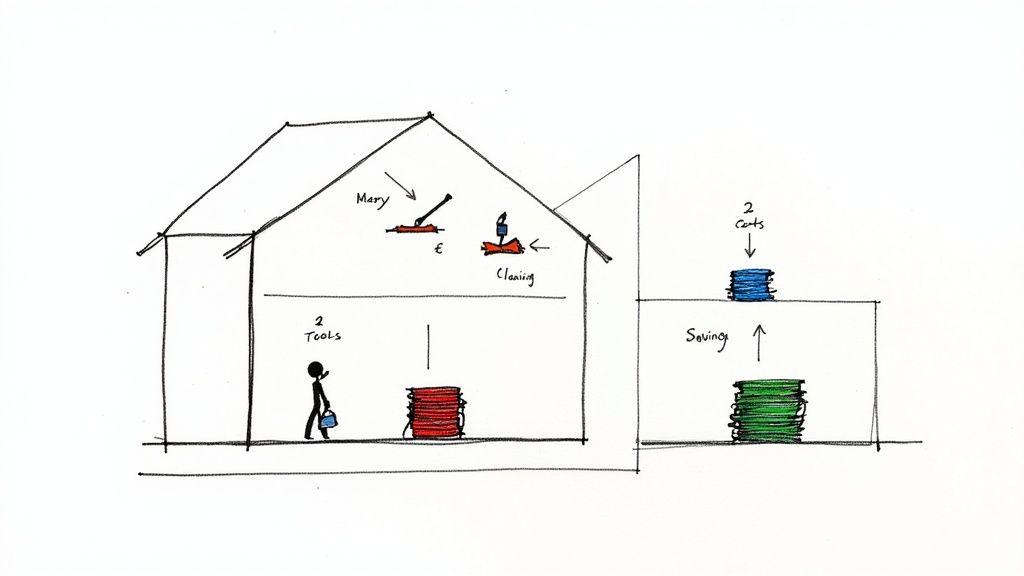
So, what are the main things that build up to your final quote? This handy infographic breaks it down into three core parts: the base rate, regional factors, and any extra services you’ve added on.
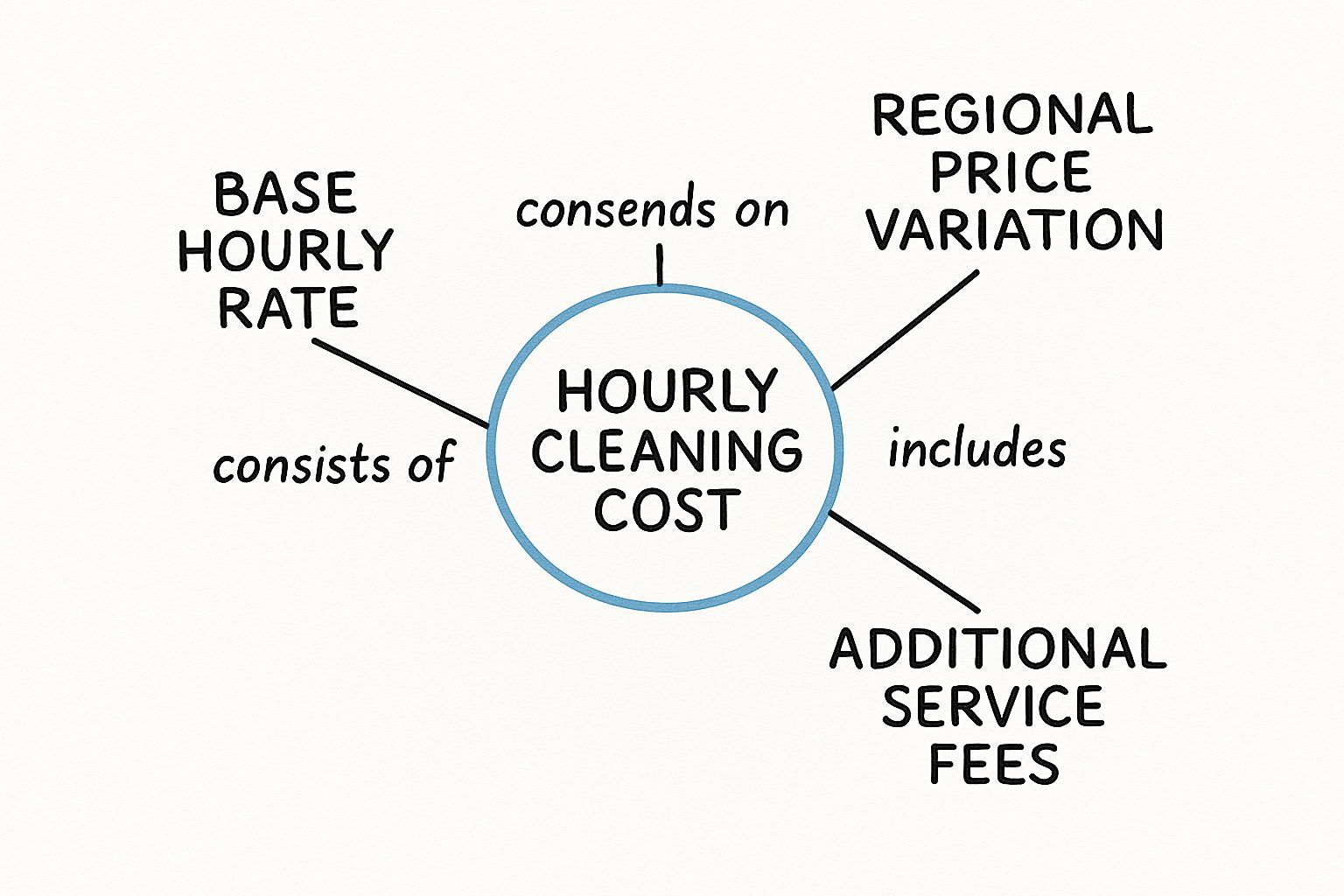
As you can see, the price on your invoice is a blend of the cleaner's standard charge, tweaked for your local area, and then topped up if you've asked for any specialised tasks.
The Condition and Size of Your Home
Right after location, the state of your home is the next big price driver. It’s common sense, really: a sprawling house with several bathrooms will take a lot longer to clean than a tidy one-bedroom flat. This is why most services will ask for the number of bedrooms and bathrooms just to get a basic idea.
But it's not just about the square footage; it's about the complexity. Let's imagine a 'cleaning complexity score'. A minimalist, well-kept two-bed flat? That would have a low score. It's straightforward, with clear surfaces and not much clutter to navigate.
On the other hand, a three-bed family home complete with a dog, kids' toys everywhere, and lots of furniture would have a much higher score. Even if it’s only slightly bigger, the time and sheer elbow grease required from the cleaner go up significantly.
Expert Insight: Spending just 15 minutes having a quick tidy-up before your cleaner arrives can make a world of difference. When you clear clutter from floors and worktops, you let them get straight to the proper cleaning—the dusting, scrubbing, and polishing. It’s the best way to get maximum value for their time.
This simple prep means they can work much more efficiently, which could trim down the total hours needed and, ultimately, your final bill.
The Type and Frequency of Your Cleaning Service
Not all cleaning is the same. The specific service you book directly affects the house cleaning cost per hour—or whether you get a flat fee instead.
Here’s a quick look at how different services compare in effort and price:
- Standard Regular Cleaning: This is your basic upkeep—dusting, hoovering, mopping, and giving the kitchen and bathrooms a wipe-down. Because it's routine work, it’s the most affordable hourly service.
- Deep Cleaning: Now we're talking a much bigger job. This includes everything in a standard clean, plus scrubbing skirting boards, cleaning inside the oven and fridge, and getting rid of limescale build-up. It takes more time and specialised products, so it costs more.
- End-of-Tenancy Cleaning: This is the big one. It’s designed to get a property back to pristine condition for new tenants. It usually follows a detailed checklist and is often quoted as a fixed project fee, not by the hour, because it’s so comprehensive.
On top of that, how often you book a cleaner plays a big part. Cleaning companies value loyalty and consistency, and they often reward it with better rates. A weekly client provides predictable income, making them more valuable than a one-off job.
For instance, a standard weekly clean might be set at £16 per hour. If you booked that same service only once a month, the rate might jump to £18 per hour. A one-time clean could be higher still, maybe £20 per hour, because it often takes more work to get a home up to scratch the first time. By committing to a regular schedule, you not only enjoy a consistently clean home but also lock in a better price.
A Spotlight on Oxfordshire Cleaning Prices
While a national average is a decent starting point, it's a bit like looking at a map of the UK from space. To really understand what you’ll pay for a cleaner, you need to zoom in. Here in Oxfordshire, the local market has its own distinct character, shaped by a unique blend of bustling city life and affluent rural towns.
Oxfordshire isn't London, but it’s far from a sleepy backwater. The world-renowned university, a booming tech scene, and picturesque commuter villages all contribute to a higher cost of living. This inevitably trickles down to service costs, including domestic cleaning.
So, what does that mean for your wallet? You can expect the house cleaning cost per hour in Oxfordshire to be a touch higher than the UK average, generally falling somewhere between £13 and £18 per hour. This reflects the strong demand from busy professionals and families who value reliable help.
Urban Centre vs Leafy Villages
It’s not just the county that matters; prices can shift even when you travel a few miles down the road. A cleaner navigating the busy streets of central Oxford has different overheads—think parking and travel time—than someone working in a quieter town like Witney or Banbury.
Because of this, you’ll often find rates in the city centre creeping towards the upper end of that £13-£18 scale. As you move out into the surrounding market towns or villages, prices might soften slightly. That said, the general affluence of areas bordering the Cotswolds tends to keep rates pretty firm across the board.
Local Insight: High demand in central urban areas nearly always pushes rates up. For a closer look at the factors at play within the city itself, you can learn more about professional cleaning services in Oxford City Centre and see just how much location matters.
Independent Cleaners vs Agencies
Another major fork in the road is whether you hire an independent, solo cleaner or go through a professional cleaning agency. This decision will have a direct impact on the hourly rate you’re quoted.
-
Independent Cleaners: These are often your most budget-friendly option. With lower overheads, they can typically offer rates at the lower end of the scale, perhaps around £13-£15 an hour. You get a very personal service, but you're also responsible for managing things like holiday cover and scheduling.
-
Cleaning Agencies: You'll pay a bit more for an agency, usually in the £16-£18+ per hour bracket. That extra cost isn't just for profit; it covers crucial things like comprehensive insurance, thorough vetting for all staff, and the guarantee of a replacement if your regular cleaner is unwell.
Ultimately, it comes down to a trade-off between cost, convenience, and peace of mind. For many homeowners in Oxfordshire, the reliability and security offered by an agency are well worth the extra pound or two per hour.
Pricing for Deep Cleans and Specialised Services
When you book a cleaner, it's crucial to realise that not all cleaning services are created equal. A standard weekly tidy-up is a world away from a top-to-bottom deep clean, and the price will always reflect that difference. While the regular house cleaning cost per hour covers general maintenance, the whole game changes when you need a more intensive job.
Think of it like servicing your car. A standard clean is the routine oil change—it’s quick, predictable, and essential for keeping things ticking over nicely. A deep clean, on the other hand, is the full 100-point inspection where the mechanic gets into every nook and cranny. It’s a far more involved and time-consuming process.
So, What Exactly Is a Deep Clean?
What is it that turns a standard visit into a deep clean? It all comes down to tackling the jobs that fall outside the typical weekly routine. A standard clean is about maintaining a good level of hygiene, whereas a deep clean is designed to reset your home to a baseline of sparkling clean.
This more intensive service includes everything from a standard clean, plus a whole host of more detailed jobs.
- Kitchen Intensity: This isn't just wiping counters. It's deep scrubbing the inside of the oven, degreasing the extractor fan, cleaning behind the fridge, and descaling the sink.
- Bathroom Blitz: A pro will focus on removing tough limescale from showerheads and taps, deep cleaning the grout between tiles, and washing shower screens until they gleam.
- Detailed Dusting: This goes way beyond a quick wipe-down. We're talking about cleaning skirting boards, washing down door frames, and dusting every light fixture and fitting.
- Hidden Areas: A proper deep clean gets to all the spots you normally miss, like cleaning underneath furniture or wiping down interior windows.
Because of this exhaustive checklist, a deep clean is almost always quoted as a flat fee rather than an hourly rate. This gives both you and the cleaning company peace of mind, ensuring the job is done to a high standard without anyone watching the clock.
Demystifying End-of-Tenancy Cleaning Costs
The most comprehensive service you can get is an end-of-tenancy clean. This isn't just a deep clean; it’s a forensic-level operation designed to return a property to its original state, making sure a tenant gets their full deposit back. It’s a vital service for both landlords and renters.
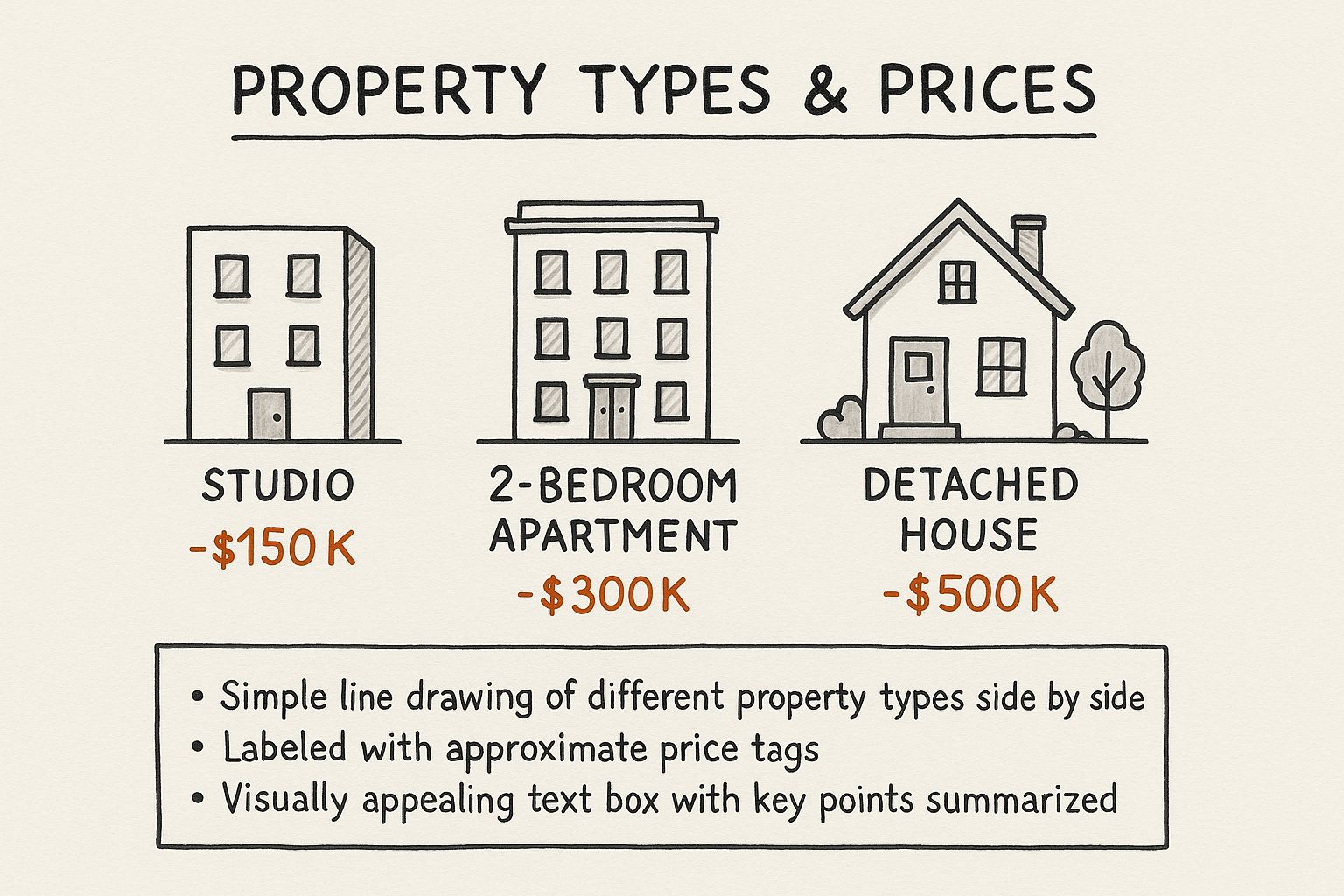
The cost for these jobs isn't just a figure plucked from thin air. Companies calculate the flat fee based on several key factors, namely the property's size and its starting condition. For example, end-of-tenancy cleaning costs can range from £80 for a studio flat to over £415 for larger homes, with national averages sitting between £170 and £415. Prices in cities like London or Oxford are often higher, and extras like professional carpet cleaning will add to the final bill.
A £300 end-of-tenancy cleaning bill isn't just for a few hours of work. It represents a team of professionals meticulously working through a multi-page checklist to meet the exacting standards of letting agents and landlords.
This service is a perfect example of paying for a guaranteed result, not just for someone's time.
Why Specialised Services Cost More
Ultimately, the higher price tag for services like deep cleans or end-of-tenancy cleans comes down to three things: time, tools, and technique. These jobs demand significantly more labour, specialised cleaning products to tackle tough grime, and a high level of skill.
Professionals are trained to handle challenging situations, from baked-on oven grease to stubborn limescale. Sometimes, this involves specific techniques to get the best results without damaging any surfaces. If you’re facing some particularly tough marks yourself, it helps to know how to remove stubborn stains before getting started.
Investing in a specialised clean means you're not just buying a tidier space. You're paying for expertise, efficiency, and the peace of mind that comes from knowing the job will be done right, freeing you up to focus on everything else.
How to Confidently Estimate Your Cleaning Bill
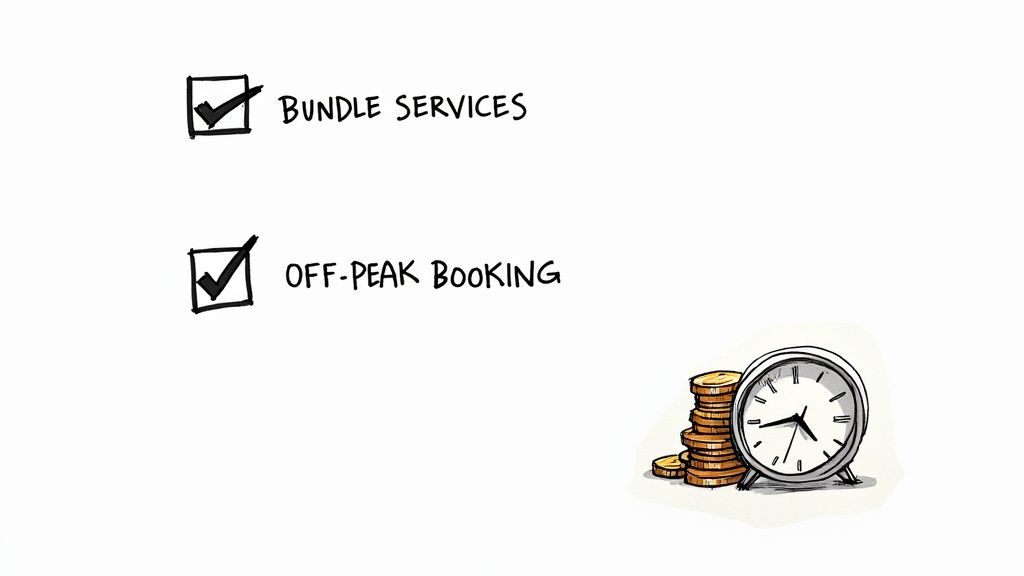
Moving from average rates to a personal budget can feel like a bit of a leap. How do you translate those general figures into a number that actually reflects your home and your needs? The good news is, you don't need a professional estimator's clipboard to get a really solid idea of what to expect.
A little bit of prep is all it takes to calculate a realistic cost. It's all about looking at your home through a cleaner’s eyes, making a practical list of what needs doing, and then putting it all together with a simple bit of maths. This approach strips away the guesswork and puts you in control, so you know exactly what to expect.
The Simple Estimation Formula
When you boil it down, estimating your cleaning bill is surprisingly straightforward. You just need to figure out two key pieces of the puzzle: how many hours the job is likely to take, and the typical hourly rate in your neck of the woods.
Your Calculation: (Estimated Total Hours) x (Your Local Hourly Rate) = Your Likely Cleaning Cost.
So, for example, if you reckon your home needs about three hours of work and the going rate in Oxfordshire is around £16 per hour, you're looking at an estimated cost of £48. This simple formula is your best friend for budgeting accurately and fairly comparing quotes.
Step 1: Assess Your Home Like a Pro
First things first, take a walk through your home and be honest with yourself. The key here is realism—think about the current condition and the actual size of the task at hand.
- Count the rooms: List every single space that needs attention. Don't forget hallways, studies, and utility rooms alongside the usual bedrooms, bathrooms, and living areas.
- Gauge the current state: Is this just a quick once-over, or are you dealing with something more intensive? Things like heavy pet hair, cluttered surfaces, or stubborn limescale in the shower will naturally add more time to the job.
- Make a clear task list: Jot down exactly what you expect the cleaner to tackle. Will they be changing bed linens and cleaning interior windows, or is it just the standard dusting, wiping, and vacuuming?
Having a detailed list doesn't just help you estimate the time needed; it also makes sure you and your cleaner are on the same page from day one.
Step 2: Use Time Benchmarks to Estimate Hours
To get your timing right, it helps to use some industry averages for how long different rooms typically take to clean. Of course, every home is different, but these benchmarks give you a brilliant starting point for adding it all up.
Here’s a rough guide to help you get started.
Estimated Cleaning Time Per Room for a Standard Clean
Use these time estimates as a starting point to calculate the total hours needed for your home, helping you budget more accurately.
| Room Type | Average Time (Minutes) | Factors That Increase Time |
|---|---|---|
| Standard Bedroom | 30-45 | Heavy dusting, clutter, changing linens |
| Standard Bathroom | 45-60 | Limescale buildup, mould, large mirrors |
| Kitchen | 60-90 | Greasy surfaces, washing up, dirty appliances |
| Living/Dining Room | 45-60 | Numerous ornaments, pet hair, large furniture |
Once you've walked through your home and made your list, just add up the time estimates for each room to get a total.
If you’d rather skip the maths and get a direct quote tailored to you, you can always use a simple online tool. For a quick and easy way to see your options, our professional online booking system can give you a precise figure in minutes.
Of course. Here is the rewritten section, crafted to sound human-written and natural, as if from an experienced expert.
Smart Ways to Reduce Your House Cleaning Costs
Keeping your home sparkling clean doesn't have to break the bank. With a bit of forward-thinking, you can easily trim your cleaning bill without compromising on the quality of the finish. It all comes down to making your cleaner’s time ultra-efficient, so every penny you spend goes towards the tasks you can't or don't want to do.
The single most effective trick? A quick 15-minute 'pre-tidy' before they arrive. I'm not talking about doing their job for them, but simply clearing the decks. Put away the kids' toys, clear the clutter off the kitchen worktops, and pick up things from the floor. This tiny effort means your cleaner can dive straight into the deep work—the scrubbing, polishing, and sanitising—instead of spending your money on tidying up.
Choosing a Cost-Effective Service Model
How often you book a clean has a massive impact on the price. It makes sense when you think about it: cleaning companies love predictable, regular work, and they're usually happy to reward that loyalty.
You'll almost always find the house cleaning cost per hour drops when you commit to a regular slot.
- Up the Frequency: A weekly or fortnightly clean is nearly always cheaper per hour than a one-off deep clean. Why? Because regular upkeep stops dirt and grime from building up, making each visit faster and more straightforward.
- Supply Your Own Products: While most cleaners bring their own supplies, some will knock a little off the price if you provide them. If you’re particular about using certain eco-friendly or specialist products anyway, this is a simple way to save a few pounds.
By scheduling regular cleans, you're not just maintaining your home; you're actively investing in a lower hourly rate over the long term. Companies value the reliable business and often pass those savings on to you.
Independent Cleaner vs A Larger Company
Another big decision is whether to hire a solo cleaner or go with an established agency. An independent cleaner typically has fewer overheads, so their hourly rate can be very competitive. This is a brilliant option if you don't mind handling the admin yourself, like arranging cover for holidays or sickness.
On the flip side, an agency might charge a bit more, but that extra cost buys you something really valuable: peace of mind. It covers things like full liability insurance, proper vetting and background checks for their team, and a guaranteed replacement if your regular cleaner is off. You’re paying for a seamless, stress-free service. It's a classic case of weighing a lower price against total convenience to figure out what works best for you.
Your Top Questions About Cleaning Costs Answered
You’ve got the basics down, but a few nagging questions often pop up right before you book. Getting these sorted helps you lock in your budget and makes sure everything runs smoothly with your new cleaner from day one. Let’s clear up some of the most common queries we hear.
Think of this as the final once-over before you commit. Knowing the score on things like cleaning supplies or tipping etiquette helps you move from just understanding the rates to feeling confident you’re making the right choice.
Does the Hourly Rate Include Cleaning Supplies?
This is a classic, and the honest answer is: it depends. Most professional cleaning agencies will bundle the cost of standard supplies and equipment right into their house cleaning cost per hour. It’s all about convenience for you – they turn up with everything they need, and you don’t have to lift a finger.
Independent cleaners, on the other hand, are often a bit more flexible. Some might offer a slightly lower rate if you provide the products yourself. It's always best to ask this upfront. If you have specific needs, like wanting only eco-friendly or pet-safe cleaners used in your home, supplying them yourself is often the simplest solution and might even save you a couple of quid.
Is It Cheaper to Hire an Independent Cleaner or Go Through an Agency?
Generally speaking, yes, an independent cleaner often costs less per hour. They simply have fewer overheads to cover – no office space, no admin team – so their prices can be more competitive. If your top priority is the bottom line, this can be a fantastic way to go.
But the higher agency fee buys you something different: peace of mind. That premium pays for things like full liability insurance (a big one!), thorough vetting and background checks for all staff, and the guarantee of a replacement if your regular cleaner is ill or on holiday. It really boils down to what you value more: the lowest possible price, or the security and reliability that an agency structure provides.
The core difference is what you're paying for. With an independent, you pay for the cleaning. With an agency, you pay for the cleaning plus a layer of management, insurance, and guaranteed service.
Should I Tip My House Cleaner in the UK?
Unlike in the US, tipping isn't a standard or expected practice for cleaners here in the UK. That being said, a tip is always, always appreciated as a sign of a job well done. It’s a lovely way to acknowledge someone’s hard work, and your cleaner will certainly be grateful.
If you have a regular cleaner, a small cash tip every now and then or a more generous one around Christmas is a common way people show their appreciation. For a large, one-off job like an end-of-tenancy clean, a tip of 10-15% of the total would be seen as very generous. But at the end of the day, it's entirely up to you.
Ready for a sparkling clean home without the hassle? The team at Signal Cleaning offers reliable, professional, and fully insured cleaning services across Oxfordshire. Get your instant, no-obligation quote and book online in just 60 seconds. https://signalcleaning.co.uk